

Signs of Myopia in Nipomo Children and How Stellest Lenses Can Help
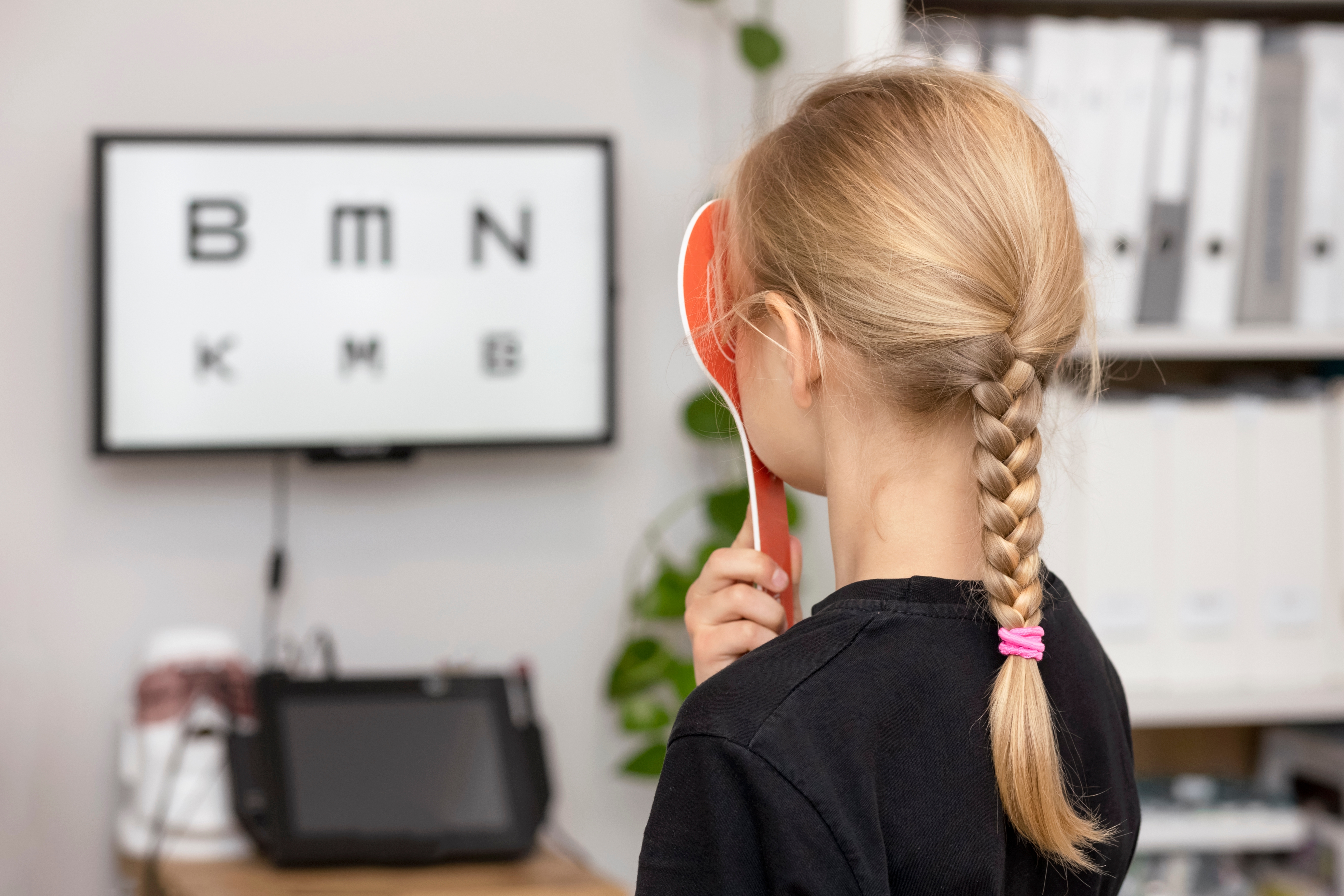
Your child may be keeping up with homework but struggling to read the board at school. Perhaps they have started sitting closer to the television or squinting at distant signs. These small changes can be early clues that their vision needs attention. At Nipomo Optometry, we help families understand childhood myopia and explore options such as Essilor Stellest lenses to support their children's developing vision.
Recognizing the Early Signs of Myopia
Myopia, also called nearsightedness, causes distant objects to appear blurry while nearby objects may remain clear. Children do not always recognize when their vision changes. A child may assume everyone sees distant objects the same way or find ways to compensate without mentioning a problem.
During the school year, parents and teachers may notice squinting, difficulty reading classroom displays, or a preference for sitting closer to screens. Some children also report headaches or tired eyes, although these symptoms can have causes unrelated to myopia.
If you notice changes in your child's visual habits, a pediatric eye examination can help determine whether a prescription is needed.
Why Myopia Progression Matters
Myopia often develops during childhood and may continue progressing as the eyes grow. When the eye becomes too long relative to its focusing power, light focuses in front of the retina rather than directly on it. This creates blurred distance vision.
Increasing myopia can require stronger prescriptions over time. Higher levels of myopia are also associated with greater risks of certain eye conditions later in life.
At Nipomo Optometry, we believe monitoring these changes is an important part of pediatric eye care. We review your child's prescription history and examination findings to understand whether myopia is progressing and whether a management approach may be appropriate.
How Stellest Lenses Support Myopia Management
Essilor Stellest lenses are specially designed eyeglass lenses that correct nearsightedness while incorporating optical features intended to help slow myopia progression.
Stellest lenses have received FDA authorization for slowing myopia progression in eligible children who are 6 through 12 years old when treatment begins.
Unlike conventional single-vision lenses, Stellest lenses use specialized lenslet technology to create an optical effect intended to influence how myopia develops. They are worn as prescribed, with regular examinations to monitor vision and treatment progress.
What We Evaluate Before Recommending Stellest
We begin with a comprehensive pediatric eye examination to understand your child's vision and eye health.
A few details help us decide whether these lenses might fit your child.
· Whether your child has difficulty seeing distant classroom displays
· Their current prescription and any measured changes since previous examinations
· Family history of nearsightedness or other relevant eye conditions
· Your child's age, eye health, and suitability for myopia management
· Their ability to wear prescribed glasses consistently and attend follow-up visits
These findings help us discuss whether Stellest lenses or another approach may be appropriate.
Supporting Your Child's Vision Throughout the School Year
Myopia management involves more than choosing a pair of glasses. Regular follow-up appointments allow us to assess prescription changes, monitor eye health, and determine whether the current treatment plan remains appropriate.
Healthy visual habits also matter. Encourage regular breaks during prolonged reading or screen activities and provide opportunities for outdoor play when practical.
If your child continues squinting or struggling with distance vision, an examination is more useful than relying on changes to daily habits alone.
At Nipomo Optometry, we are here to help Central Coast families make informed decisions about childhood vision care. Call (805) 929-1982 to schedule a pediatric eye examination in Nipomo, CA. We would be happy to discuss your child's vision and whether Essilor Stellest lenses may be an appropriate option.
All Eye
Care Services
Keep
In Touch

Contact Info
Office Address: 150 Mary Ave. Suite 4
Nipomo, CA 93444
Nipomo, CA 93444
Call Or Text(805) 929-1982
Office Hours
- Monday Closed
- Tuesday 8:30am - 5:30pm
- Wednesday 9:30am - 5:30pm
- Thursday 8:30am - 5:30pm
- Friday 8:30am - 5:30pm
- Saturday 8:30am - 1:00 pm
- Sunday Closed
© 2026 Nipomo Optometry. All rights Reserved. Accessibility Statement - Privacy Policy - Sitemap
Powered by:
